Things to Do in Albuquerque
Desert light, green chile steam, and balloon shadows on the Sandia
Top Things to Do in Albuquerque
Find activities and tours you'll actually want to do. Book through our partners -- no booking fees.


Plan Your Trip
Essential guides for timing and budgeting
Climate Guide
Best times to visit based on weather and events
View guide →Day Trips
The best excursions and nearby destinations worth the journey
Explore day trips →Where to Stay
Best neighbourhoods, hotel picks, and booking tips
Find hotels →Travel Insurance
What's required, what coverage matters, and how to get a quote
Read guide →What to Pack
Climate-specific gear, essentials, and what to leave at home
See packing list →When Should You Visit Albuquerque?
Tap a month for weather, crowds, and highlights
View full year-round climate guide →Explore Albuquerque
Abq Biopark Botanic Garden
City
Abq Uptown
City
Albuquerque Biopark
City
Albuquerque Museum
City

Balloon Fiesta Park
City
Casa Rondena Winery
City
Casa San Ysidro
City
Elena Gallegos Open Space
City
Explora Science Center
City
Explora Science Center And Childrens Museum
City
Indian Pueblo Cultural Center
City
National Hispanic Cultural Center
City
National Museum Of Nuclear Science And History
City
Nob Hill
City
Old Town Albuquerque
City
Petroglyph National Monument
City
Rio Grande Nature Center State Park
City
Sandia Mountains
City
Sandia Peak Tramway
City
Your Guide to Albuquerque
About Albuquerque
Albuquerque greets you with scent. Piñon smoke drifts from backyard kivas. Roasting chile stings sweet at the downtown Grower's Market on 8th and Central. By noon the high-desert sun has erased October's chill. You wander Old Town's adobe corridors. The 300-year-old San Felipe de Neri church throws cool shade. Galleries sell retablos for $45-$800.
Wet clay and sage scent the air. The city's split personality appears fast. Nob Hill neon Route 66 signs flicker above $14 green-chile cheeseburgers at the Frontier. Barelas neighborhood hands you a $9 plate of Christmas-style enchiladas at El Modelo. Tortillas are pressed to order. Red chile stains your fingers like watercolor.
Ride the Sandia Peak Tramway. $29 buys the 15-minute climb. Temperature drops 30 degrees. You rise above the cottonwood canopy of the Bosque. The city spreads like spilled pottery below. Summer brings 100°F days. Monsoon downpours turn Central Avenue into a river. Those same storms paint skies that stop traffic. Evening arrives.
Sandstone mesas glow pink against the mountains. Mariachi drifts from the National Hispanic Cultural Center. Albuquerque isn't trying to impress you. The desert simply chose this spot to show off.
Travel Tips
Transportation: Skip the rental car downtown. ABQ Ride buses run every 15 minutes along Central Avenue for. Fare is $1. Rapid Ride gets you from Old Town to Nob Hill in 20 minutes flat. Download the ABQ Ride app before landing. It tracks buses in real-time. No standing in July heat wondering if the 66 is late. Uber exists. Drivers are scarce on Sundays. The real insider move is the Rail Runner. $9 buys 90 minutes to Santa Fe. Mountain views the whole way. Downtown station sits five minutes from most hotels.
Money: Cash rules the Saturday Grower's Market. Vendors take cards but add 3%. ATMs inside Smith's grocery stores charge $2.50. Casino rates hit $5+. Budget travelers note this. Frontier lunch feeds two for $16 total. El Pinto dinner runs $45 per person with drinks. Hotel prices crash 50% between Balloon Fiesta and Thanksgiving. October runs $250+ for basic rooms. November drops to $120. Gas stations on Central near the university are 30¢ cheaper than those near Old Town.
Cultural Respect: Pueblos aren't photo ops. Visiting Acoma or Sandia requires $15-$20 photography permits. These fund school programs. They aren't negotiable. At the Indian Pueblo Cultural Center, dance performances aren't 'shows'. Don't clap between songs. Wait until the end. Say 'Christmas' when ordering New Mexican food. You'll get both red and green chile. Saying 'mild' marks you as a tourist. Sunday mornings, Barelas coffee shops fill with families after church. Order quietly. Don't ask to share tables. Balloons launch at dawn during Fiesta week. Silence your phone. Keep kids from chasing the chase crews.
Food Safety: Street food equals food trucks here. Health standards beat most cities. Look for 'A' grade cards in windows. The real risk is chile heat. A 'medium' at Sadie's will melt your face off. Start with green chile stew at Duran's Pharmacy. $8 counter price. Training wheels for spice novices since 1946. Tap water is fine city-wide. Bring a bottle to Balloon Fiesta Park. Vendors charge $4 for water. 7-Eleven on Central and Rio Grande sells it for $1.50. Morning-after cure? Menudo at Cecilia's on 4th Street. $7 and it works.
When to Visit
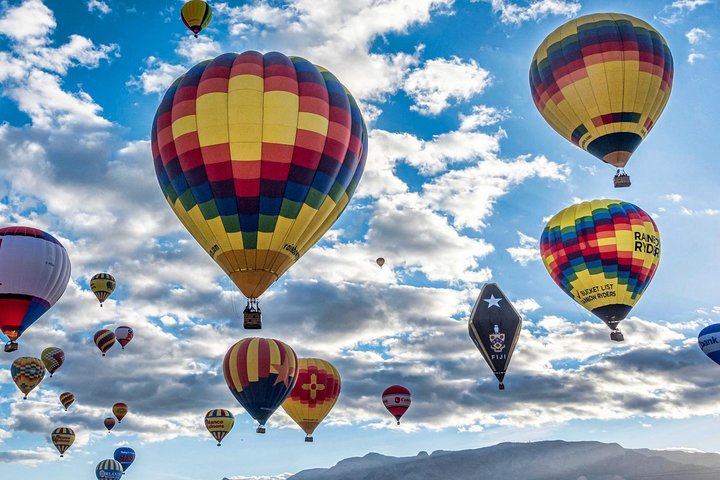
October owns Albuquerque. Balloon Fiesta starts the first full week. 600 balloons at dawn. 70°F mornings. Hotel rates triple to $250-400. After the 11th, prices crash 40%. You still get 75°F days good for tram rides. November through February turns crisp. 45°F mornings. 60°F afternoons. Occasional snow on the Sandias melts by noon.
Hotel rates bottom out at $80-120. Some outdoor restaurants close. March brings wind. 30 mph gusts cancel balloon rides but empty hiking trails. Highs climb from 65°F to 80°F by May. June through August is the furnace. 95-100°F days. 40% humidity. Evenings drop to 65°F. Hotel pools become essential. July's monsoons roll in around 3 PM.
Spectacular lightning shows flood arroyos but cool everything down. September is the sweet spot locals won't tell you about. 85°F days. Zero crowds. You can still float the Rio Grande. Christmas Eve luminarias turn Old Town into a lantern-lit wonderland. Book early. It's when everyone who left comes home. Flights from major cities drop 25% between Thanksgiving and mid-March.
Balloon Fiesta week spikes 60%. The ABQ BioPark Botanic Garden runs $12 admission year-round. December's River of Lights jumps to $15 but stays open past 9 PM.
Frequently Asked Questions
What's the Best Time of Year to Visit Albuquerque?
October draws the biggest crowds for the Albuquerque International Balloon Fiesta. But it also means premium hotel rates and advance booking requirements. Spring (April, May) and fall (September, early November) offer mild weather in the 60s, 70s°F with fewer tourists, while summer brings intense sun and afternoon monsoon thunderstorms. Winter is surprisingly pleasant for exploring Old Town and museums, with daytime temps in the 40s, 50s°F and occasional snow in the Sandia Mountains.
How Many Days Do I Need to See Albuquerque Properly?
Three full days covers the essentials: one day for Old Town and the Indian Pueblo Cultural Center, one for the Sandia Peak Tramway and either Petroglyph National Monument or the BioPark, and one for Route 66 landmarks and local breweries. Add a fourth day if you want to drive the Turquoise Trail to Santa Fe or explore the less-visited Bosque del Apache south of town. Most visitors underestimate how spread out attractions are, you'll need a car.
Is Albuquerque Safe for Tourists?
Tourist areas like Old Town, Nob Hill, and the Uptown district are generally safe during the day. But Albuquerque has higher-than-average property crime rates, so don't leave valuables visible in parked cars. Avoid the International District and parts of downtown after dark unless you're familiar with the area. The Rail Runner train between Albuquerque and Santa Fe is safe and convenient. But the Alvarado Transportation Center can attract transient activity at night.
Do I Need a Car in Albuquerque?
Yes, unless you're staying exclusively in Old Town or Nob Hill and don't mind limiting your itinerary. The ABQ Ride bus system exists but is slow and infrequent, and ride-hailing can get expensive covering the 15+ miles between major attractions. Rental cars are affordable (often $30, 50/day), and you'll want one for reaching the Sandia Peak Tramway, Petroglyph National Monument, and any day trips to Santa Fe or Tent Rocks.
What Should I Eat in Albuquerque That I Can't Get Elsewhere?
Green chile appears on nearly everything, ask for it "Christmas style" (red and green) on dishes like carne adovada, blue corn enchiladas, or a breakfast burrito from Golden Pride or Twisters. Fry bread (usually Navajo or Pueblo-style) topped with beans, cheese, and chile is essential at Indian Pueblo Cultural Center's restaurant. Skip the touristy spots on the Old Town plaza in favor of El Modelo for red chile or Sadie's for salsa so hot they make you sign a waiver for the hottest level.
How Much Does the Balloon Fiesta Cost, and Do I Need Tickets in Advance?
General admission for a single morning session runs about $15, 20 if purchased ahead, $25 at the gate, with mass ascensions happening around 7 a.m. on select days in early October. You'll want advance tickets for weekends, as crowds exceed 80,000 people on peak days, and parking can fill by 5:30 a.m. If you're not attending the Fiesta, hotel rates across Albuquerque double or triple during that week, so either plan around it or book months early.
Can I Visit the Breaking Bad Filming Locations?
Yes, though most are private residences where you can only view from the street, Walter White's house in the Northeast Heights doesn't allow trespassing or photos thrown onto the roof. The public sites worth visiting include the Dog House Drive-In on Central, Loyola's Family Restaurant (the original Los Pollos Hermanos exterior), and the car wash at Menaul and Eubank. ABQ Trolley Co. runs a three-hour Breaking Bad tour ($65, 75) that includes behind-the-scenes stories and access to normally off-limits locations.
What's the Altitude in Albuquerque, and Will It Affect Me?
The city sits at 5,312 feet, high enough that some visitors feel mildly short of breath during exertion, if coming from sea level. Drink extra water, wear strong sunscreen (UV is more intense at altitude), and skip alcohol the first day if you're sensitive. The Sandia Peak Tramway climbs to 10,378 feet, if you feel lightheaded up there, it's normal, and the descent brings quick relief.
Is Old Town Worth Visiting, or Is It Just a Tourist Trap?
Old Town's plaza shops skew heavily toward mass-produced Southwestern kitsch. But the San Felipe de Neri Church (1793) and the surrounding historic adobe architecture are worth 30, 45 minutes. For better shopping, walk two blocks north to the side streets where you'll find serious Native American jewelry galleries and folk art. The real value is the cluster of museums within walking distance: Albuquerque Museum, Turquoise Museum, and the excellent (but often overlooked) American International Rattlesnake Museum.
Where Should I Stay in Albuquerque, old Town, Nob Hill, or Uptown?
Old Town puts you closest to museums and the BioPark but has limited dining and nightlife; Hotel Albuquerque is the best option here. Nob Hill (along Central Avenue east of UNM) offers walkable restaurants, breweries, and vintage shops, stay at Hotel Parq Central for character. Uptown near I-40 and Louisiana has newer chain hotels, easy freeway access, and the Sandia Resort & Casino if you want a full-service resort experience. Avoid the motels along Central west of downtown unless budget is your only concern.
Can I Do a Day Trip to Santa Fe from Albuquerque?
Santa Fe is an easy 65-mile drive north via I-25 (about an hour) or a more scenic 50-mile route along the Turquoise Trail through Madrid and Cerrillos (90 minutes). The Rail Runner commuter train runs between the two cities for $10 round-trip on weekdays, though service is limited on weekends. Plan for at least 4, 5 hours in Santa Fe to cover the Plaza, Canyon Road galleries, and lunch, it's doable as a day trip but feels rushed if you want to visit museums like Meow Wolf or the Georgia O'Keeffe Museum.
More Ways to Experience Albuquerque
Tours, day trips, and local experiences curated by on-the-ground operators.
Didn't see anything interesting yet?
Browse Viator's full catalog of tours, day trips, food experiences, and private guides in Albuquerque.
See All Albuquerque Tours on Viator